Ah, my brain has crashed.
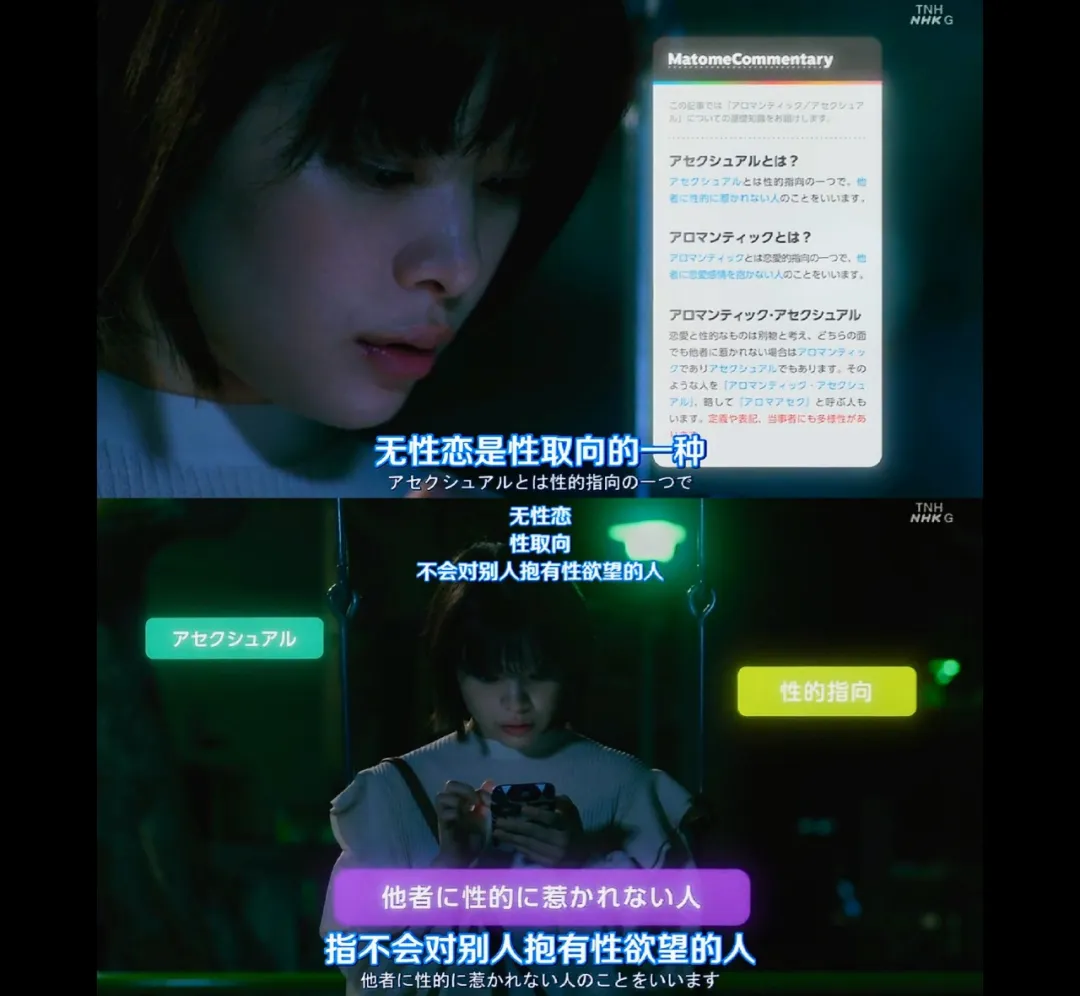
A lot of people know that sexual orientation can be described through gender or sexuality. But how many people know that romantic orientation can also be one way of describing it?
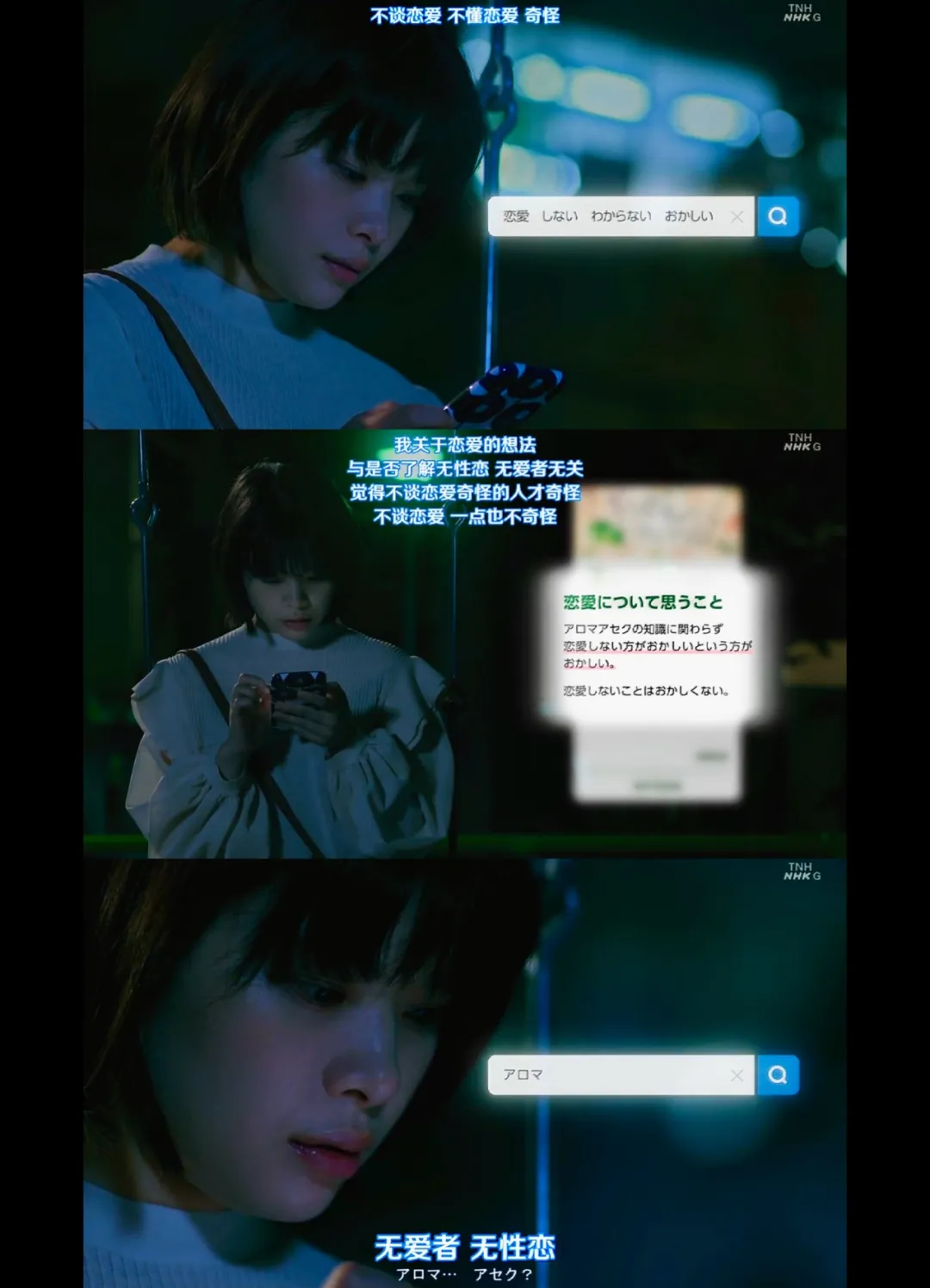
By gender: heterosexual, homosexual, bisexual, and so on.
By sexuality: sexual and asexual.
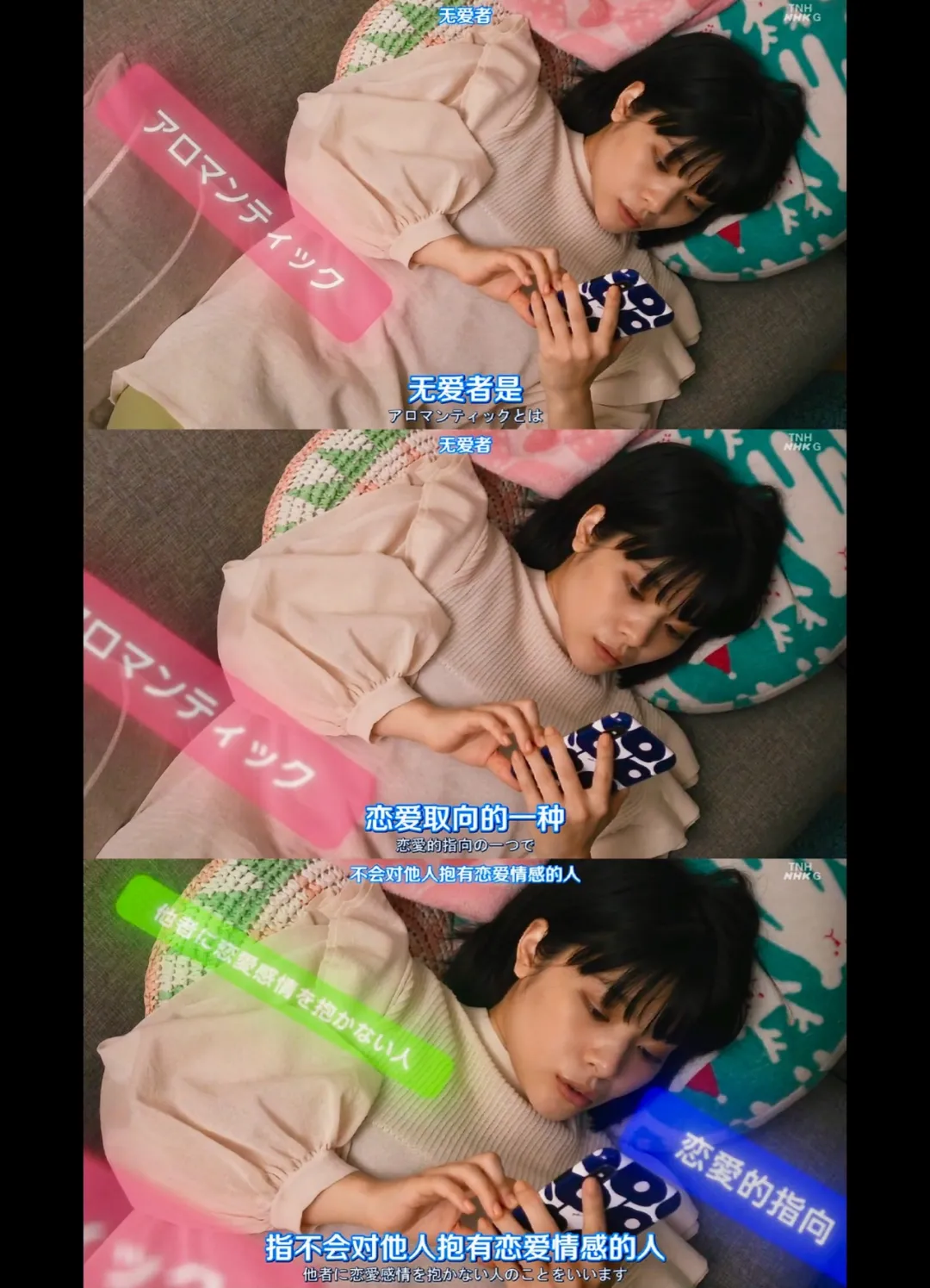
By romantic orientation: alloromantic and aromantic.
When we talk about being in love, we usually assume that both people are alloromantic—that both feel romantic or sexual attraction toward each other.
That stereotype is not very kind to people in aromantic relationships. It can even make them doubt themselves or feel other negative things.
I have to say, this was a world that only opened up for me near the end of 2023: there was such a thing as romantic orientation.
I have never really liked all kinds of definitions, including questions like “do gay people need to come out?” My answer has always been: no need. (I accept disagreement, but I really think there is no need ahhhhh.)
A guest on a podcast said that, when a sex-education teacher was explaining gender diversity, the teacher described us as a whole circle. If we cut out one group, we make two cuts and the circle becomes two parts. The more groups we classify, the more cuts there are. In the end, the circle is covered in scars and looks wounded. “There is no need to classify it. Let it stay a circle.”
Ah, I love this idea.
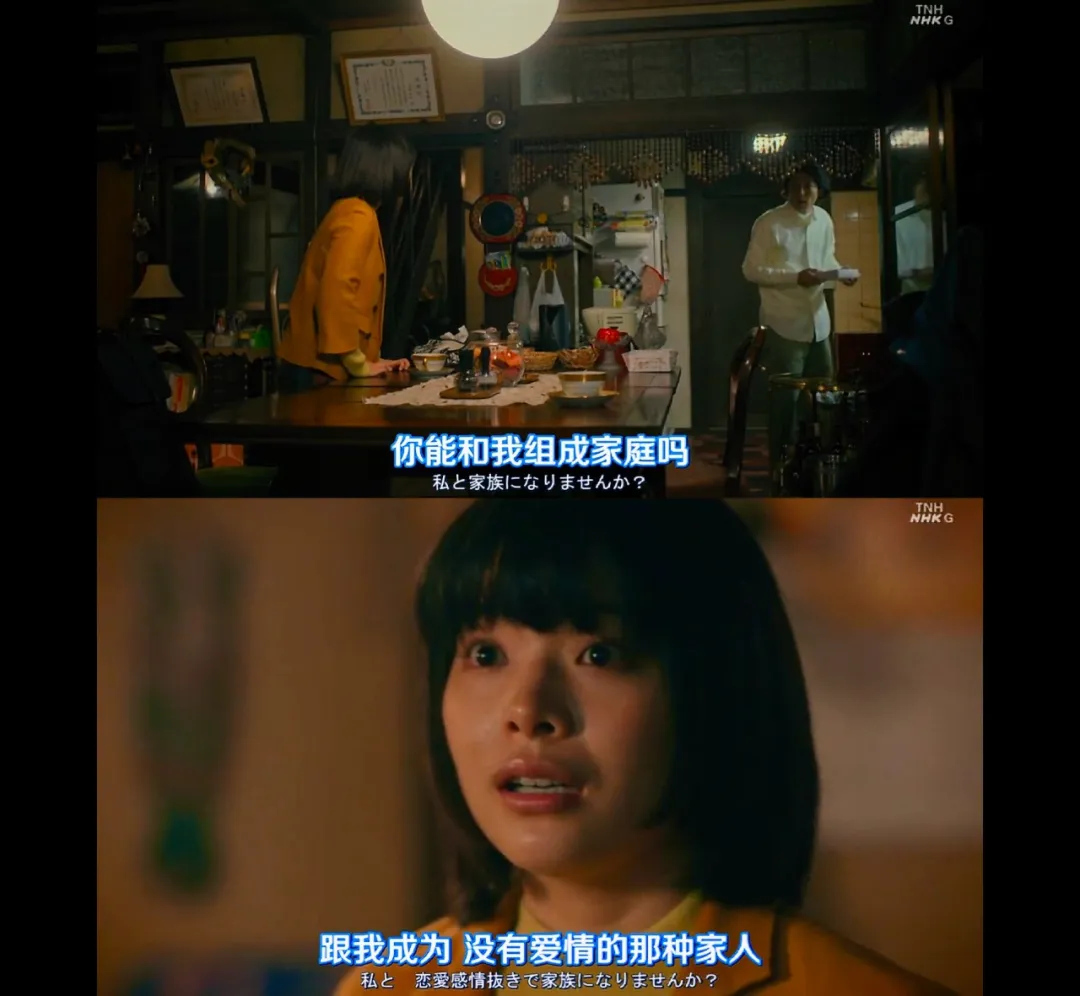
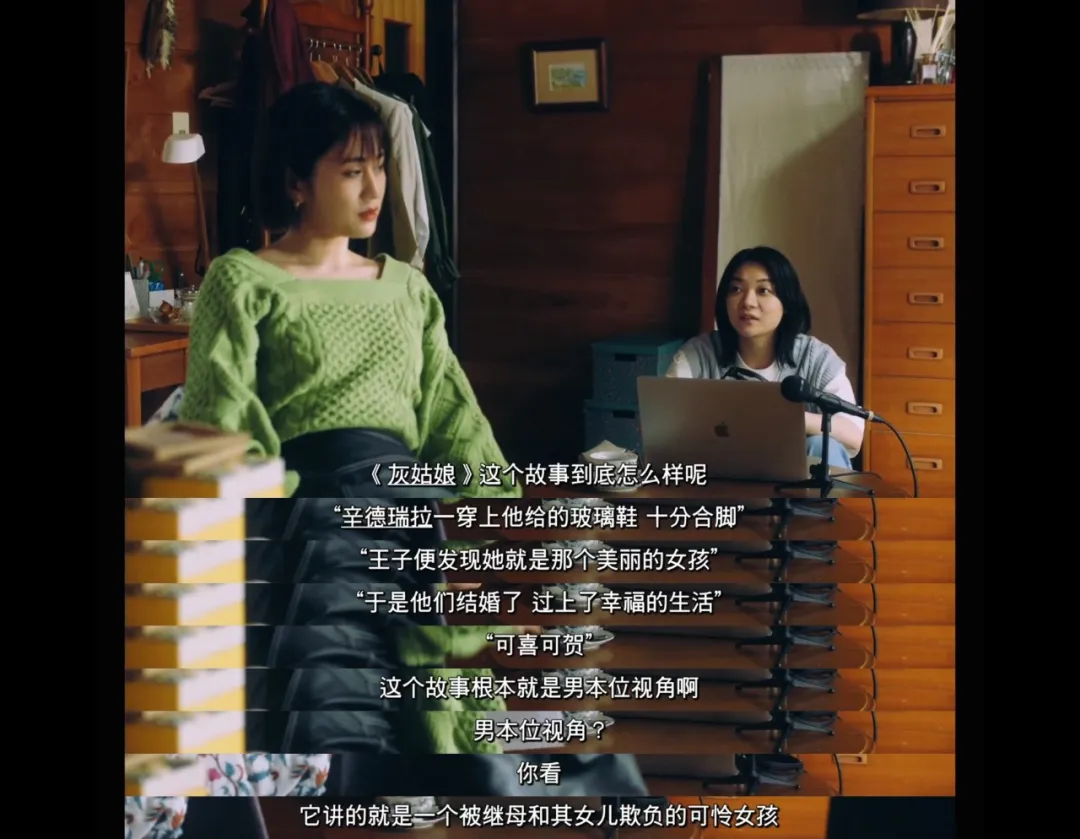
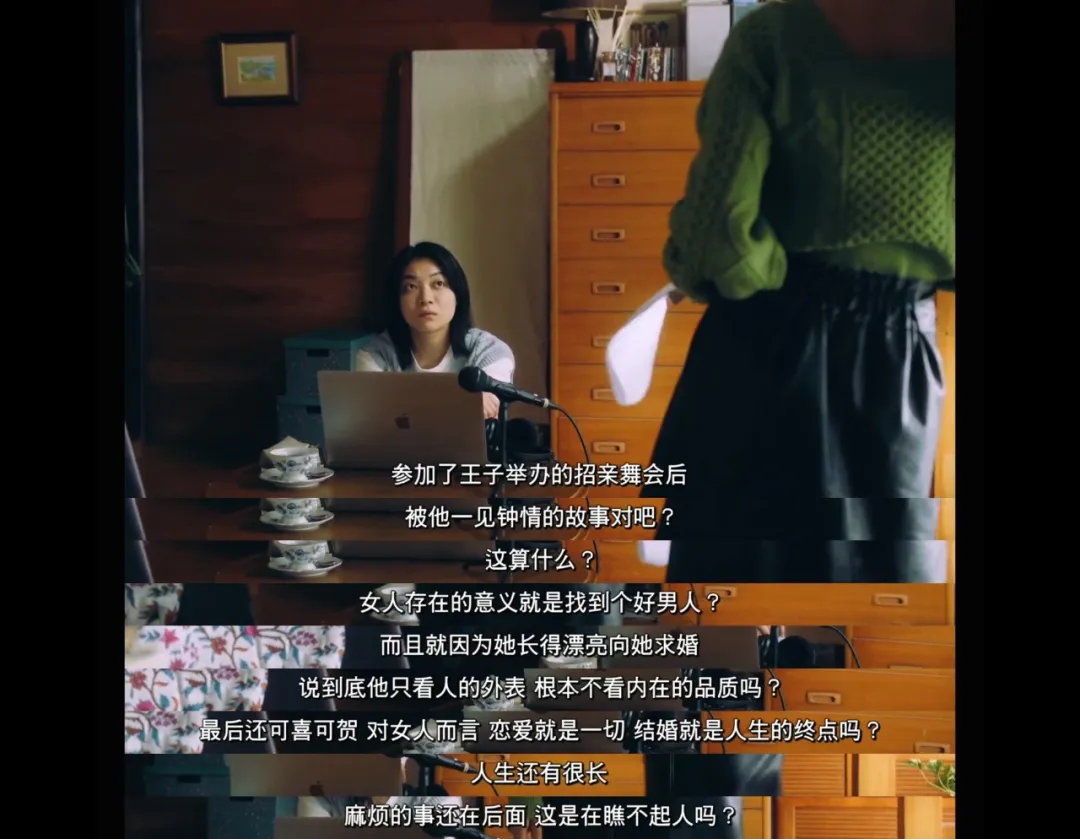
Recently I watched a drama and a film whose main characters are aromantic asexual people: Is Love the Answer? and Am I the Only One with Butterflies?
In Is Love the Answer?, the female lead likes and needs to live with someone, while the male lead has lived alone for a long time but feels a little lonely. They try being family under the same roof without being in love, helping each other. I was moved by the change in the male lead: he begins as completely rational, then later gains a kind of human warmth. He starts caring about the feelings of people around him and helping them think through problems.
In Am I the Only One with Butterflies?, the main character is aromantic and asexual, and suffers from her family's pressure to marry. Along the way, almost like levelling up through obstacles, she finds the courage to be herself. What I remember most is the ending. A new colleague asks her to see a film. Afterward, she explains her orientation and asks why he invited her. He says that he read her Cinderella adaptation: “I realised that someone thinks like me. There are people like me in this world.” After they part, she starts running. This time it is no longer the posture of running away. It feels like she is moving toward a more hopeful life.
The “family” in both works has something in common. They believe that finding someone to date would be good for the main character, and that marriage and children would be good too. But they never ask whether the main character accepts that arrangement or cares what the main character thinks.
Although, near the end, these family members always change and say, “As long as you are happy, go live your life.” But that is television and film.
In real life, there are not that many parents who are understanding, or willing to grow with their children and update their ideas.
Some time ago, I was following a Thai casting show. One part brought in two teachers with a lot of experience in counselling and psychoanalysis to talk with each actor. Each time they talked to someone, that actor would start crying. Even the others sitting in the back would cry too. They were talking about the pain and knots that had been hardest for the actors to live with. Without exception, the thing that touched the actors most was their relationship with family: parents, siblings, paths they chose that did not receive support, distance, conflicts that got worse and could not be talked through.
I used to have similar conflicts with my family. I refused to go to too many gatherings of relatives, especially when I had hardly had any contact with those people during my first twenty years… I felt even more resistant. Every compromise felt like a knife going into my chest.
Ah, there are so many things I do not understand.
As long as I am alive, do I have to keep learning these rules, keep trying to understand them?
P.S. Family structures, and the very idea of “family”, are already changing. Whether they are breaking apart or evolving, I look forward to seeing the different forms that appear in that process.