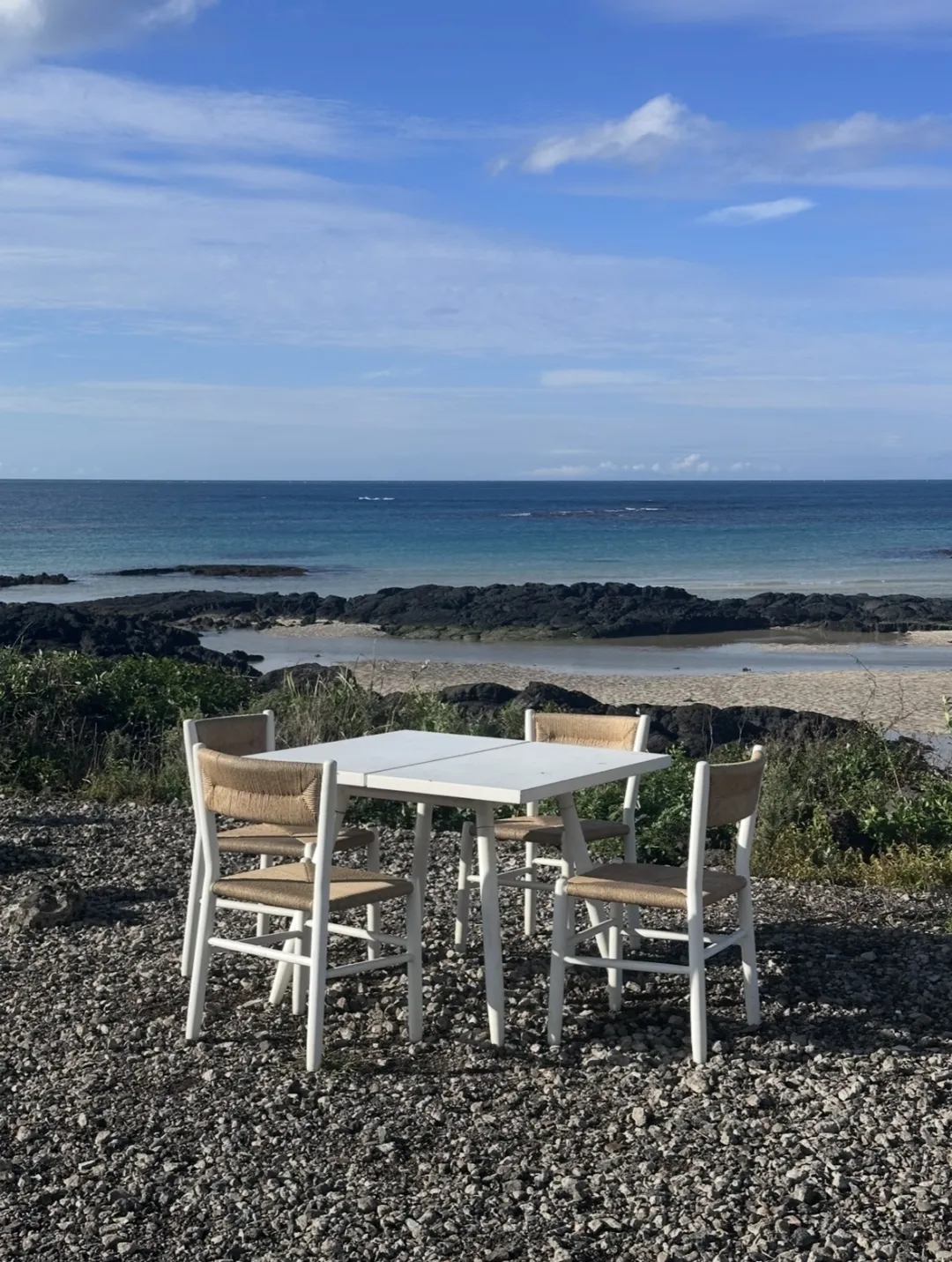
Whenever I visit a new city, the things that draw me most are still the familiar cultural and art spaces, especially bookstores. I never get tired of going to places like these, even when I leave disappointed.
Once, on another trip, I found the address of a bookstore online beforehand. After several turns, I finally got near it and unexpectedly realized it was not far above and to the right of an ice-cream shop I had visited last time. Ah, that shop's ice cream... it was sweet enough to make you snore. I will never go back for it, but for the sea view in front of it, I could reluctantly make a few more trips.
The entrance to the bookstore was not obvious. It was hidden inside a residential building by the coast. I only saw the door after walking down a small path. It was closed. I gently pulled it open, and the scene inside... for a moment it went beyond what I imagined a bookstore could be.
The floor was not the kind of floor we usually see. It looked more like something made specially for children to play on.
I once visited a private school in China. When it was building playground equipment for elementary-school children, it faced a serious problem: what should the ground below the slide be? In the end, they made it sand, with the slide standing in the middle. It avoided possible injuries while children played, and generally children like beaches, right? There were also things at the edge for cleaning or washing off sand. Usually people think: when the ten-minute break ends, if children are covered in sand or have sand in their shoes... are they still going to class?
I once went to an overseas music festival on a cloudy day with light rain. Walking through the grass, our shoes inevitably picked up bits of grass and mud. Some people even stepped directly into water and mud. After the show, outside the exit, I was surprised to find many people washing their shoes and feet, along with some device that could blow things off their shoes. I have been to more than one rainy or muddy festival, but it was the first time I had seen a place like that.
I felt the same surprise at this bookstore. Its floor was covered in small stones, with meditation cushions and seat pads.
When I pulled open the door, I met the eyes of two older girls chatting in socks on the stone floor, and heard the owner say ‘welcome.’ But a few seconds later, I pulled the door shut again and put myself back outside.
Because in that moment... I did not want to take off my shoes.
In those few seconds, all I saw was the stone floor and cushions, books on two walls, and people in socks standing on the stones. I never entered the space or learned its full shape, but it still stayed with me.
Why?
It was not only this bookstore. In my wandering before and after that, I came across other details and spaces that moved me too.
01. A stranger in a telephone
In the city where that bookstore was, I unusually took a bus for more than an hour from the city center to the countryside. I wanted to see how people there made cultural spaces.
It was another bookstore, and I found another corner I really loved.
First, a little about the area around it. After getting off the bus, I still had a long way to walk. Along the way I saw many orange trees. What do oranges mean to this city? I do not know. But I know that whenever I see oranges, I think of it, especially the orange ice cream from that shop, sweet enough to make you snore. Behind the bookstore were fruit or vegetable greenhouses, I forget which, like a place where produce was grown. There were coffee shops and homes nearby too. I remember that when I left for the bus stop, I had to change routes because I was not going to the city center. I had to walk down a long muddy road, and it was drizzling. I could only hear rain on my umbrella and rain on the leaves around me... It was a very countryside kind of little shop.
At a corner by the window inside was a telephone. At first I did not notice it. I thought it was only decoration. But different visitors would pick it up, put it down after a while, then pick it up again... I became curious. What were they doing?
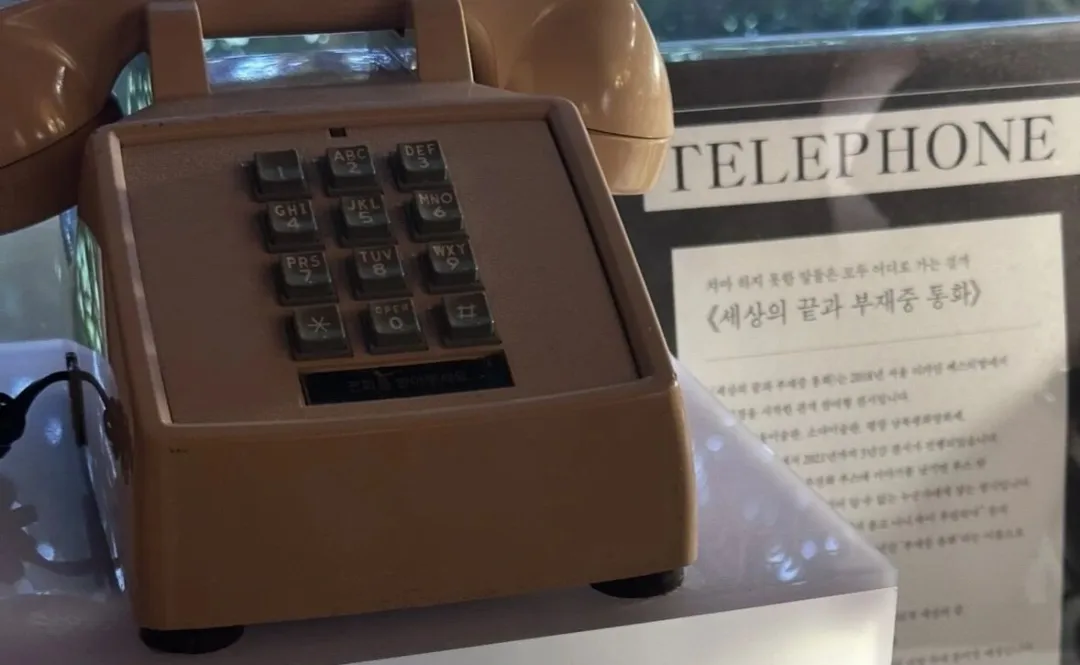
Only when I picked it up did I hear a woman's voice through the receiver. My Korean was limited then, so I only caught a few keywords: cat, missing someone, wishes... I guessed it was a woman calling her former lover, or perhaps a wife calling her partner. I imagined her saying something like: how are you doing now? The cat at home is doing well. I miss you. I hope you are happy...
A bookstore draws me for two reasons: the taste in its book selection, and the space it shows me.
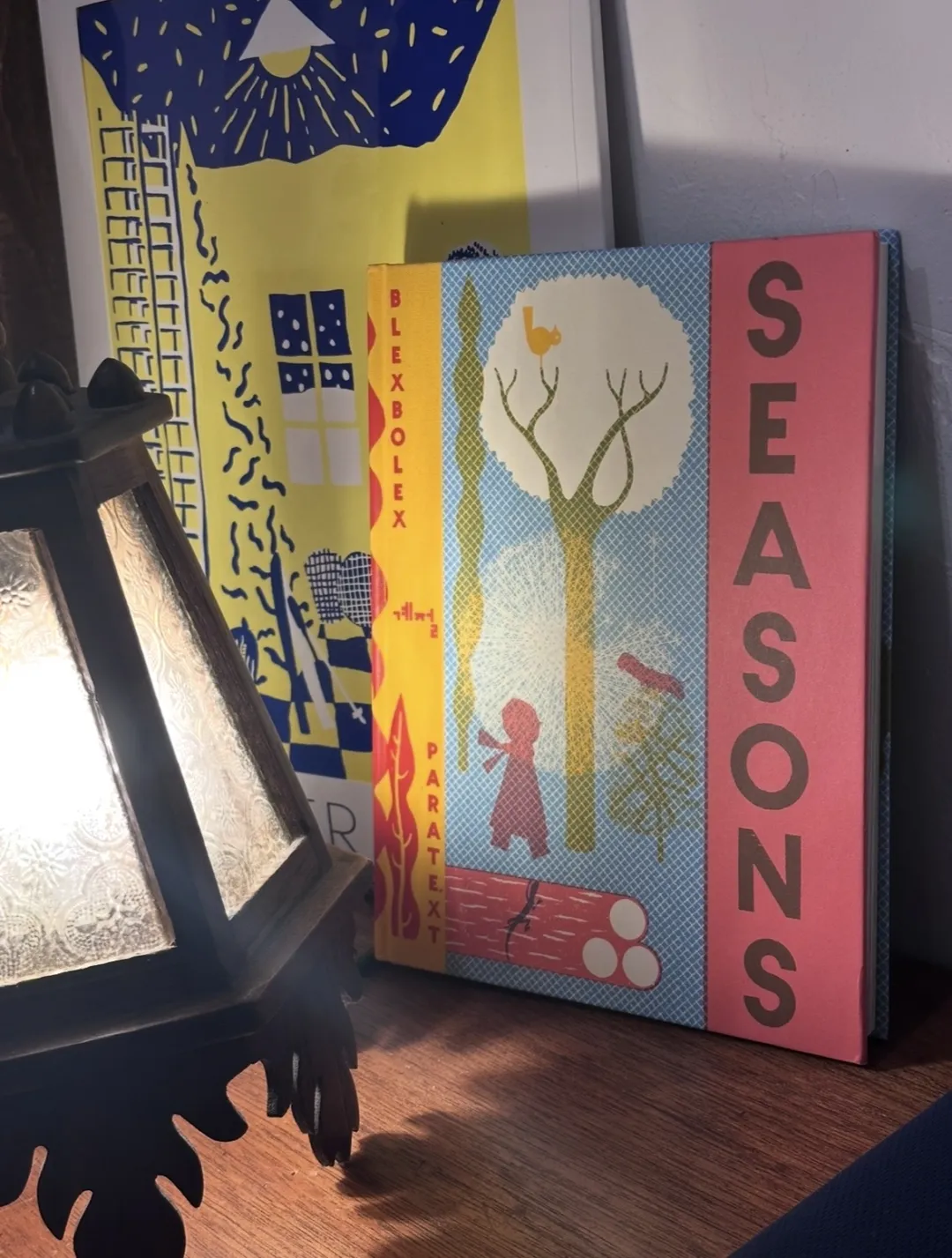
I could not read most of the Korean books in this store, but I found a comic I love: Blexbolex's Four Seasons. I even collect both the English and Chinese editions. Apart from that, I forget whether I saw familiar authors, but it did not feel as if the store had bad taste. Add the telephone installation and wow, my affection for it went up and up and up.
02. Existence itself
I had arranged to go to an island with a friend, but our desire to walk by the sea delayed the trip. Still, it did not stop us from finding interesting things there.
The most interesting was a piano marked by damage and a piano stool. It stood by the sea, with an endless ocean in front of it and no one on the stool. When I saw it, I could not help taking out my phone to photograph it. I also thought of The Legend of 1900, and naturally wondered: had the pianist gone out to sea?
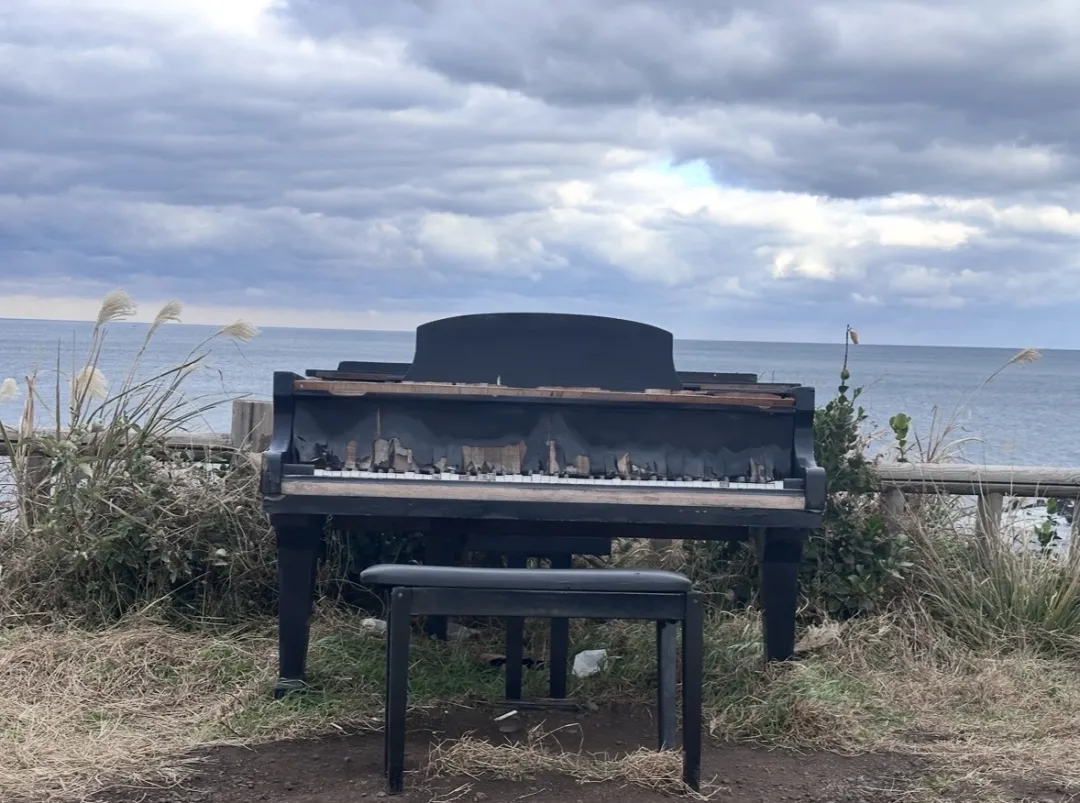
Who put this piano here, and why?
Maybe it belonged to someone living nearby. Maybe it was the local area's management.
I think perhaps it was there to make something, while leaving that ‘something’ entirely to the people who notice it as they pass: to imagine, and to give it meaning.
This feels so clever.
The people involved only put something there, whether a telephone or a piano. Then they let people who pass decide how to observe it, judge it, imagine it...
And experiences and ‘meaning’ are among the few things we take away after leaving a place or a city.
However you look at it, the city wins.
03. The world inside a window
On my way to the subway, bare trunks and branches lined both sides of the street. There was not a trace of spring in sight, as if this area had been separated from everywhere else and become so different.
Then I suddenly saw a goldfish bowl, with goldfish swimming inside. I had already walked a few steps past it, but it was so striking that I turned back. Under the gaze of two passersby, I took out my phone to photograph it. Then I discovered it was a window.
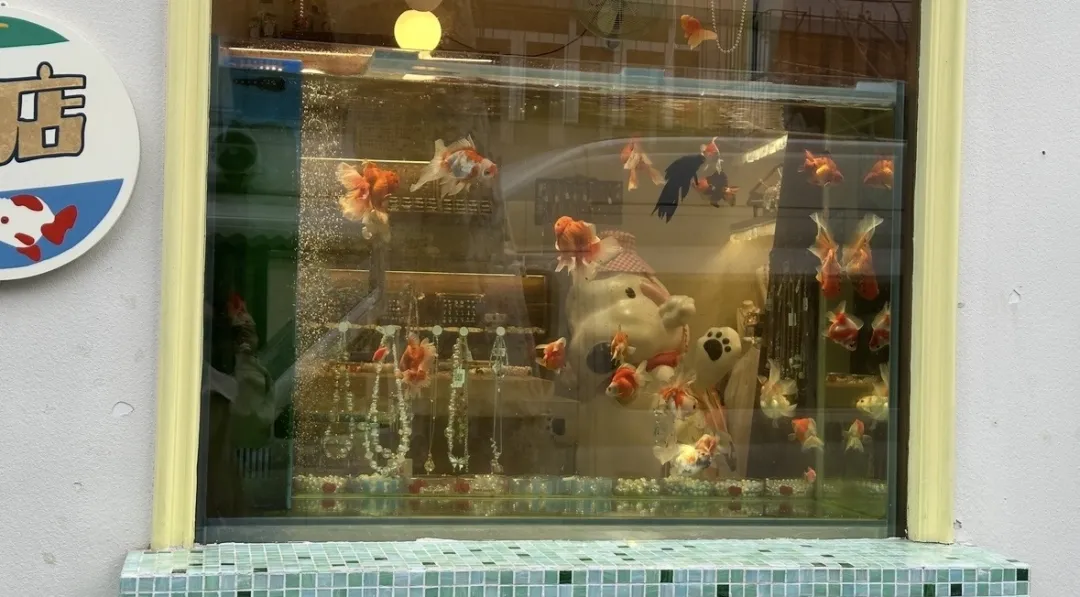
Through the window, I could roughly see the decorations and arrangements inside. I entered through a small door beside it and looked around. It was a craft shop.
There are many craft shops, but I have only seen one with a window like this.
Actually, windows appear quite often in my memories.
The closest example is a photo a friend sent me. In a window frame on a wall was a painting that felt like Monet's garden.
There was also the view I saw while riding an escalator: a screen set into the opposite wall, playing a moving ocean. It might make you imagine that there really is a sea on the other side of the wall.
And when I walk between mountains and roads that are both residential areas and popular places online, I pay special attention to what is in the windows above me, such as flowers.
And the windows of buildings along seaside boardwalks: people inside them, empty chairs inside them, the sea inside them... all entered my eyes through one window after another.
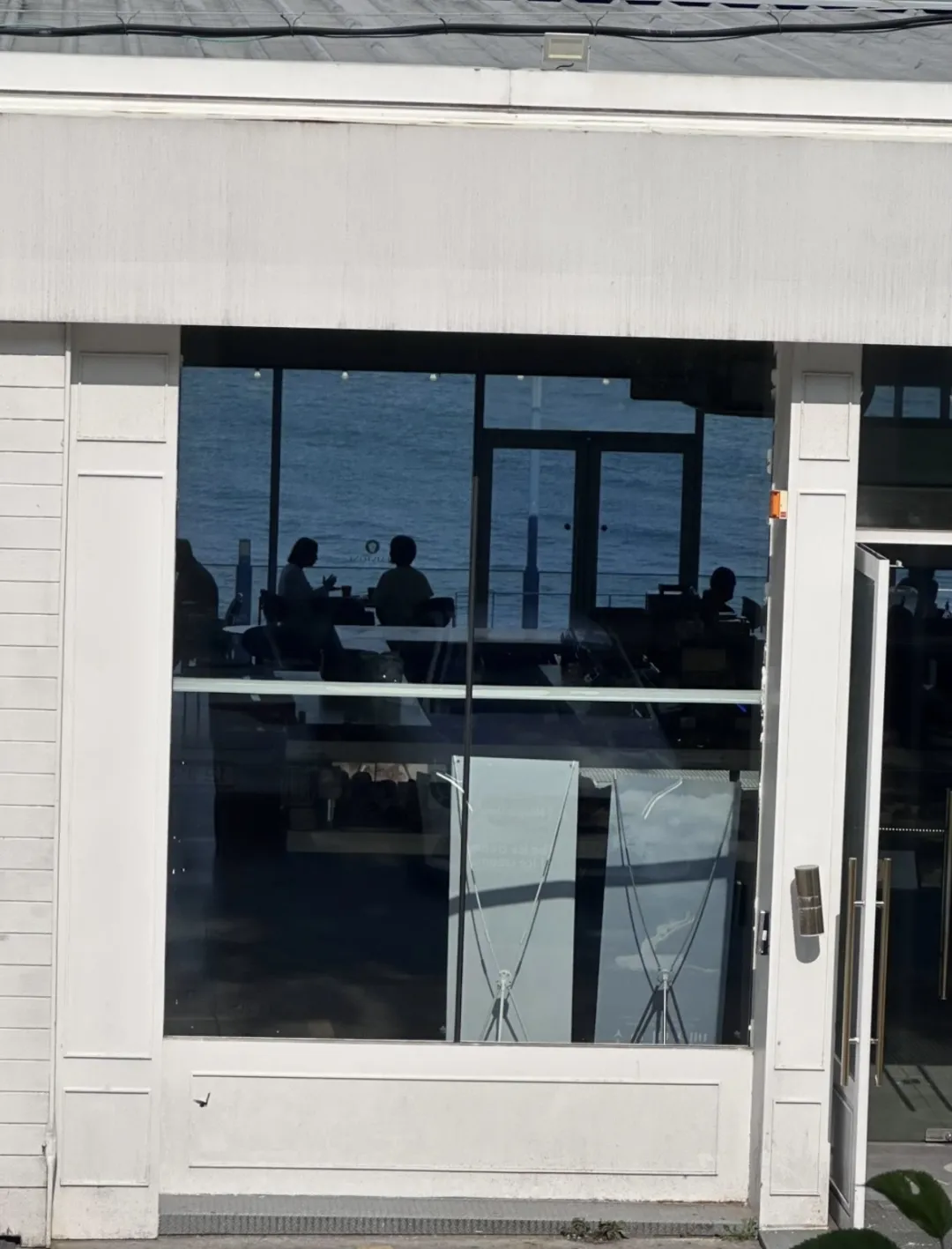
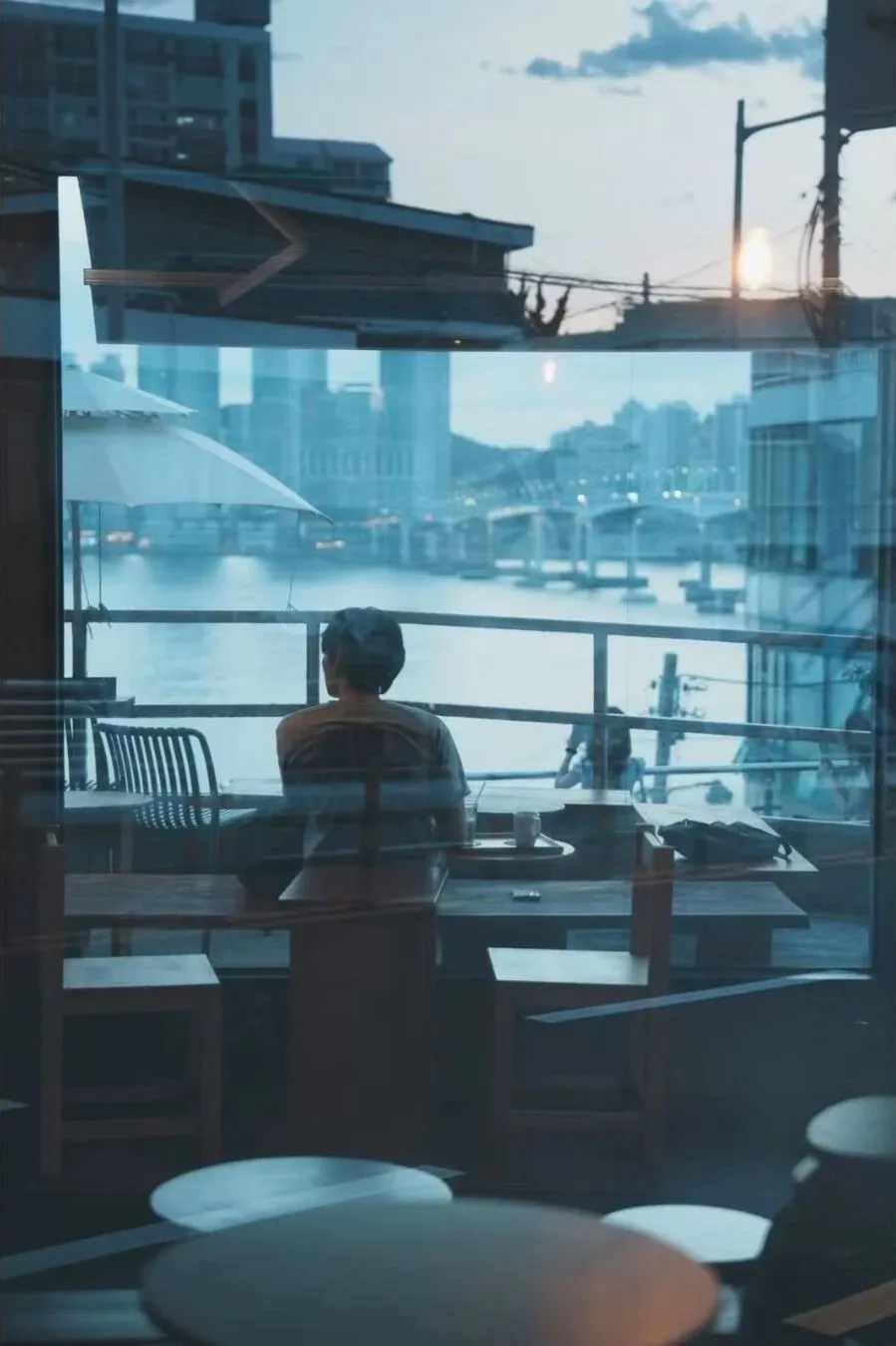
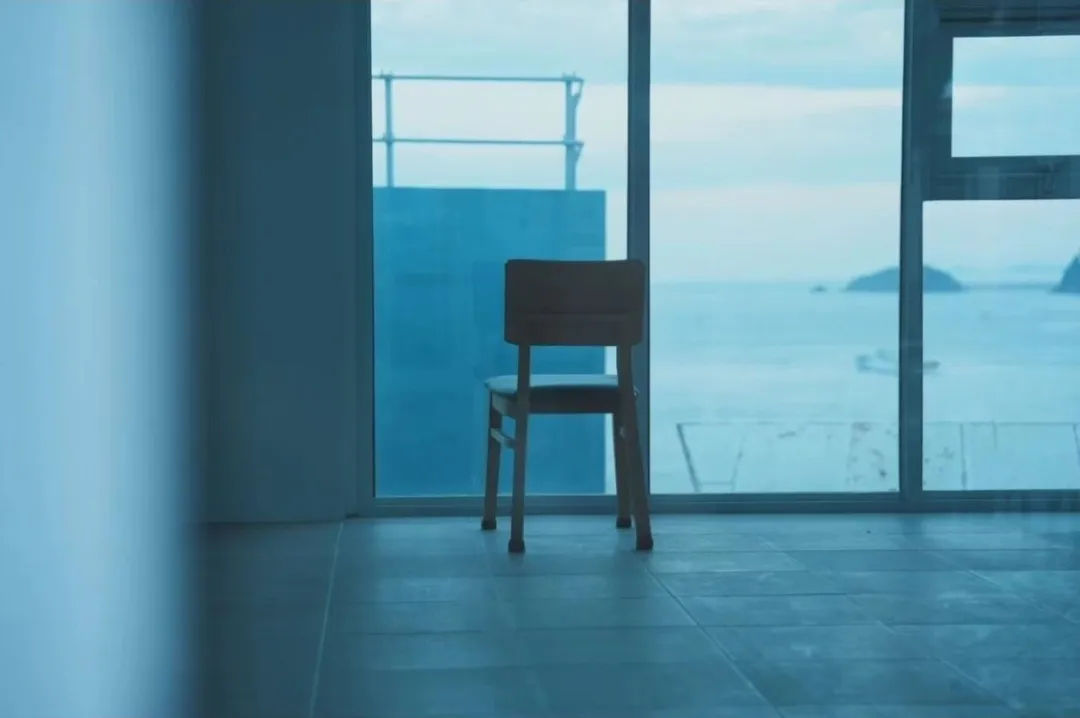
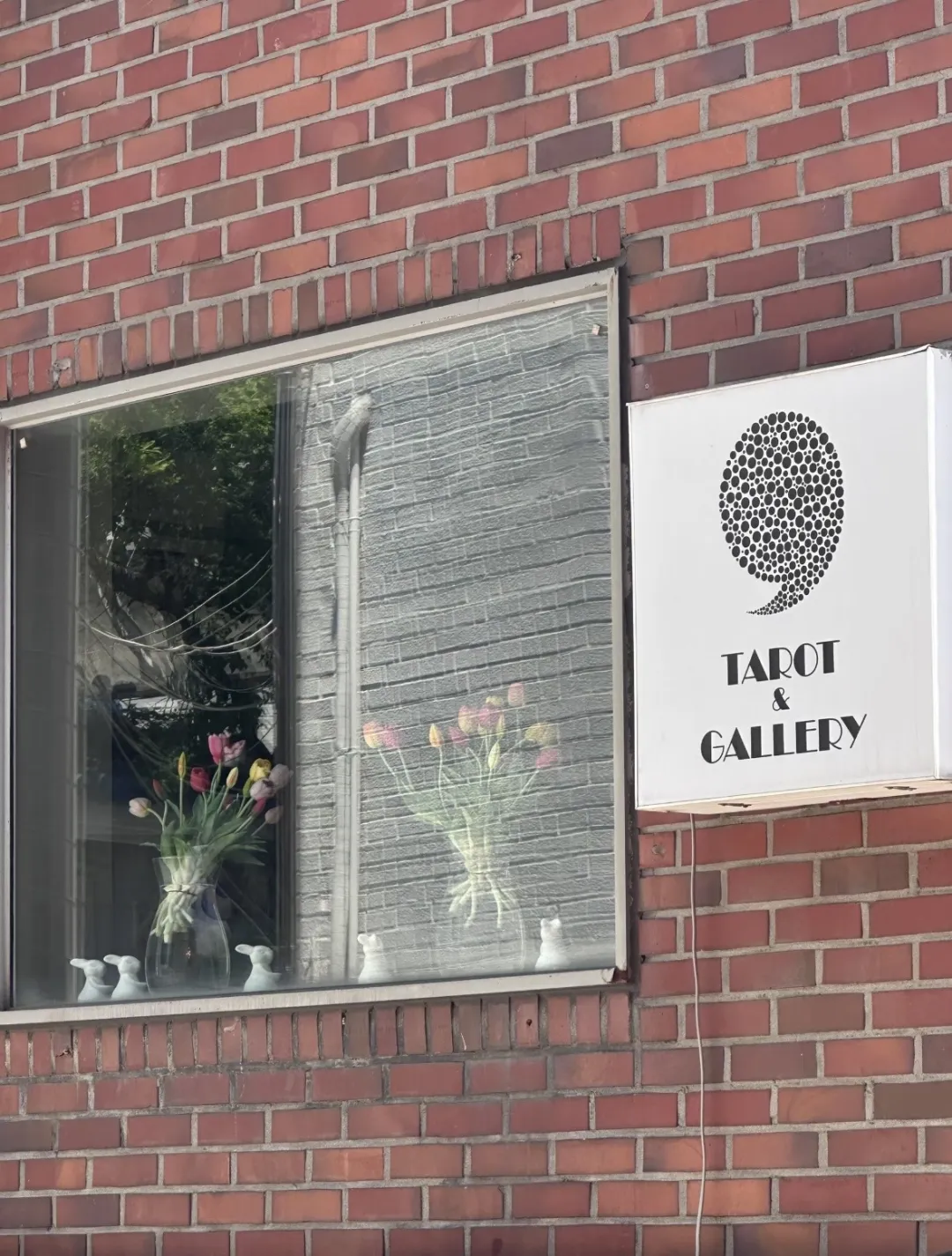
At this point I thought of Vivian Maier. Her photographs also contain many storefront windows and mirrors... And there is a photographer I found on Instagram, Harry Chiu, whose work is similar.
04. Sound as an entrance
The next example is a little different. It is no longer visual, but sound — more exactly, music.
The moment I heard it, I was walking. But I knew whose voice it was: B.I (Kim Hanbin), and the song was ‘Love Scenario.’
Without thinking, I looked for the source and found it came from a little speaker high on a building to my left.
Where I was, there was a mountain on my right and the back door of a building on my left. The building's front faced the sea.
Logically, why was this speaker not in the shop or at its front door, but behind the building facing the mountain?
I guessed it was an entrance for drawing passersby to the store.
Look closely and you find that, even when we are on paths behind buildings, with railings and other things separating us, there are almost always small doors and paths for anyone who wants to take a short break in a nearby shop. The music from that speaker may be one of those entrances. It draws the people it draws.
I remember once making a ‘pilgrimage’ to a dessert shop because it had appeared in a show I watched. Its atmosphere attracted me. When I got there, I found the space tiny. Its signature dessert was pretty good, but it was not what made me remember the shop. It was the music. The owner's taste in music was so good that I stayed for almost a whole afternoon because of the sound coming from a Marshall speaker, nearly forgetting I was only a traveler. Later I learned on Instagram that the owner really did make music in private.
I do not know how many people have visited teamLab. In that watery white, silver, or pale-blue space where needle-like beams of light fall, the accompanying sound made me a little nervous but also feel stimulation and energy. Without it, the space would lose far more than a little charm.
And what about the announcements and music in our parks, schools, coffee shops, or bars? Why are they there? Maybe I am drifting off topic, but it fits the phrase: existence itself must have a reason.
Oh, and the second bookstore I mentioned earlier. I went to see it because it was a bookstore, but what left the deepest impression was the voice in the telephone receiver. How did its curator think to design that entrance?
05. Everything is about people
I wonder what all these things that gave me a special experience have in common: a slide in sand, a pebble floor, the facilities at a music-festival exit, a voice from a telephone, a world inside a window, a music speaker behind a building...
The only thing I can think of is that they exist in a certain space and create a point that makes people unconsciously imagine and give meaning, whether in functional places or commercial spaces.
Not long ago I saw an interview started by the owner of a coffee shop. The guest was a French designer. In the interview, she talked about how much she likes Chinese culture and how she used elements from it in her designs, such as Bai Suzhen and the Green Snake.
For no obvious reason, I was drawn to that coffee shop. After I closed the video, I thought: one day, I have to go and see it. You see, that is one meaning of the video's existence. It let me, a stranger, feel the café itself — or the owner's human charm — and gave me a reason to move closer to that offline space.
Or an entrance.
This entrance is quiet, not noisy. Like a breeze passing by, I can feel it without feeling that it takes my attention away.
The first bookstore I mentioned required visitors to take off their shoes before entering. In some way, it broke my default relationship with a space: I had assumed every bookstore would let me walk in wearing shoes. Those few seconds of hesitation were also a wonderful experience for me, enough to make me remember it for a very long time.
Not long ago I listened to a podcast with the owner of a natural-wine bar. She said she wanted to make a wine bar like a cocktail bar. She also said she did not want to do what everyone had already done, or educate customers.
To me, the owner herself is an entrance. Her taste in wine, the service she and her colleagues offer, the bar's spatial design... all serve her ambition. Making that ambition real then strengthens the person-as-entrance itself.
Simply put, entrances relate to spatial design, spatial design relates to taste, and taste relates to people. I even think design made from care for people is part of taste.
Whether you can win someone's pause and stay is both a kind of filtering and a kind of attraction. Behind that filtering and attraction are other people's taste, curiosity, sensitivity, and even their ability to imagine or make meaning.
People gather with similar people; things gather with similar things. Somehow, the loop closes.