Probably sometime after Lunar New Year this year, the podcast industry's shift toward video started becoming increasingly obvious.
As a heavy podcast listener, this trend hasn't really changed the way or form in which I encounter podcasts. Think about commercialization, traffic, attention, and so on, and it isn't hard to guess why audio content is moving toward video.
But that doesn't mean I'm not part of the audience for video podcasts. Quite the opposite: at this stage, most of the podcasts I come across are video podcasts. I just don't watch them frame by frame like a movie; I listen to them as audio.
Even so, the instant I open a video, my attention still lingers, to different degrees, on all kinds of recording spaces.
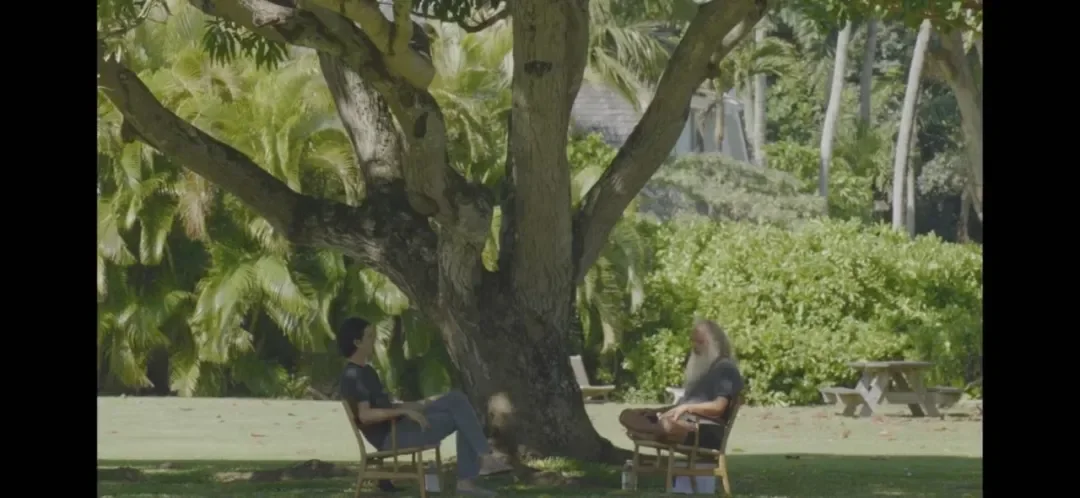
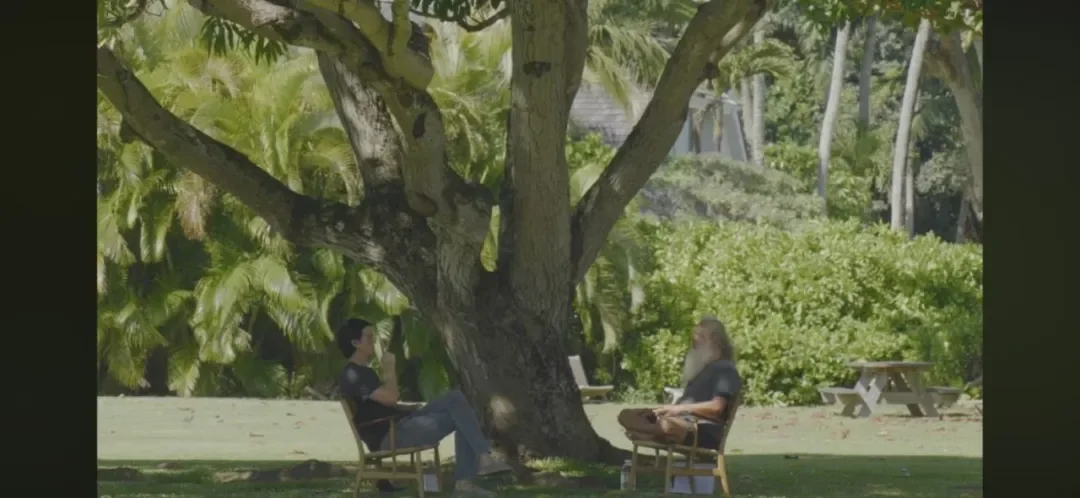
I still remember the moment the episode of “Tetragrammaton with Rick Rubin” featuring a conversation between Rick Rubin and Adam Neumann appeared on my YouTube timeline—
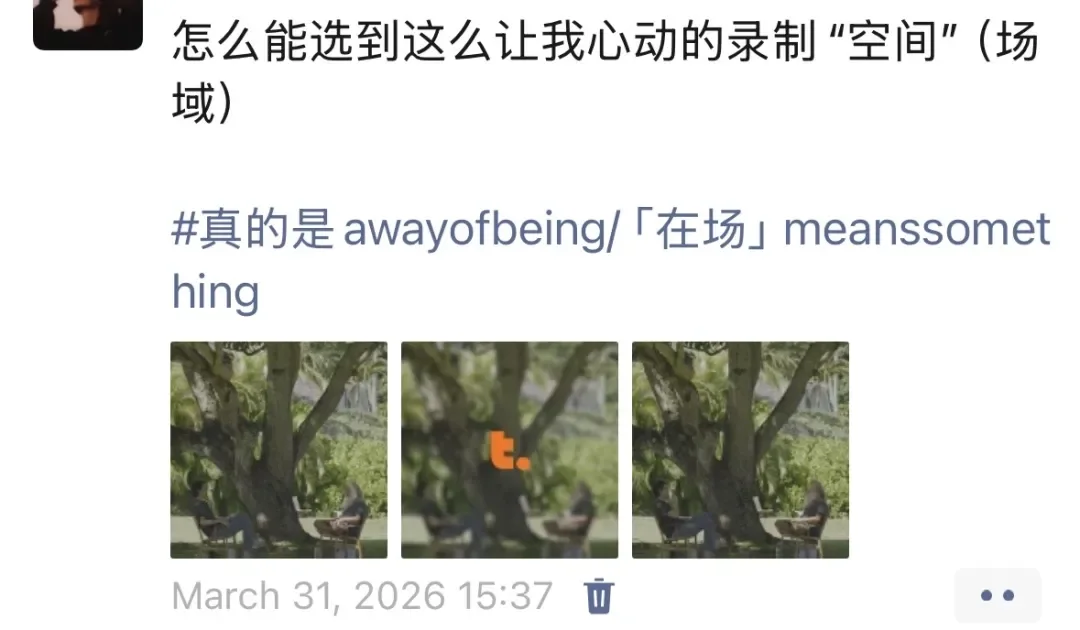
I'm someone with a fairly rich sensory life. Whenever I see a scene/space that moves me... my words become incoherent and I forget what to say—which, I suppose, just means I have far too little literary cultivation.
But I know that recording a podcast in an open space, having a deep conversation under a big tree... the feeling, the magnetic field, just match!
Actually, when I think back on the video podcasts I've seen, most of the conversations happen in a studio or somewhere studio-like. After seeing enough of them... there's a kind of visual fatigue.
Maybe the radar for my content/brand instincts has finally picked up a signal. Recently, I've noticed a few podcasts I personally really like, and I feel as if I've caught something.
Still, heavy podcast listeners all know that we absolutely won't be easily drawn in by anything outside the content or the person/IP. So what follows is only my partial thinking and notes on the huge subject of “what kind of entry point content/a brand needs.”
I once wrote “How Are We Drawn to a Space?”. Connecting it a little, it feels isomorphic to “what kind of video-podcast space/scene/field draws me (or us) in.”
Not every episode of “Tetragrammaton with Rick Rubin” is on video, and so far only three episodes have been recorded under that big tree. But that tree will become my first impression of the show. After all... I don't actually know Rick Rubin that well, but the way he chooses a recording space feels continuous with his attitude toward music and creation.
The second show I want to mention is Bella Freud's “Fashion Neurosis.” The conversations take place in a space that feels like a therapist's office, with the guest lying down the whole time—and on a couch! I really love this set:
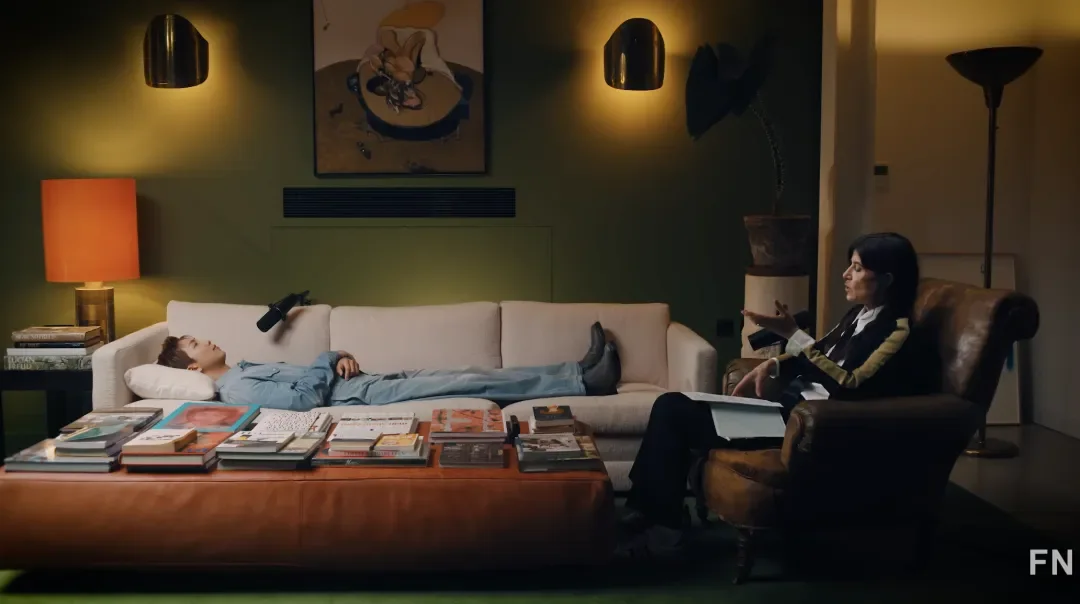
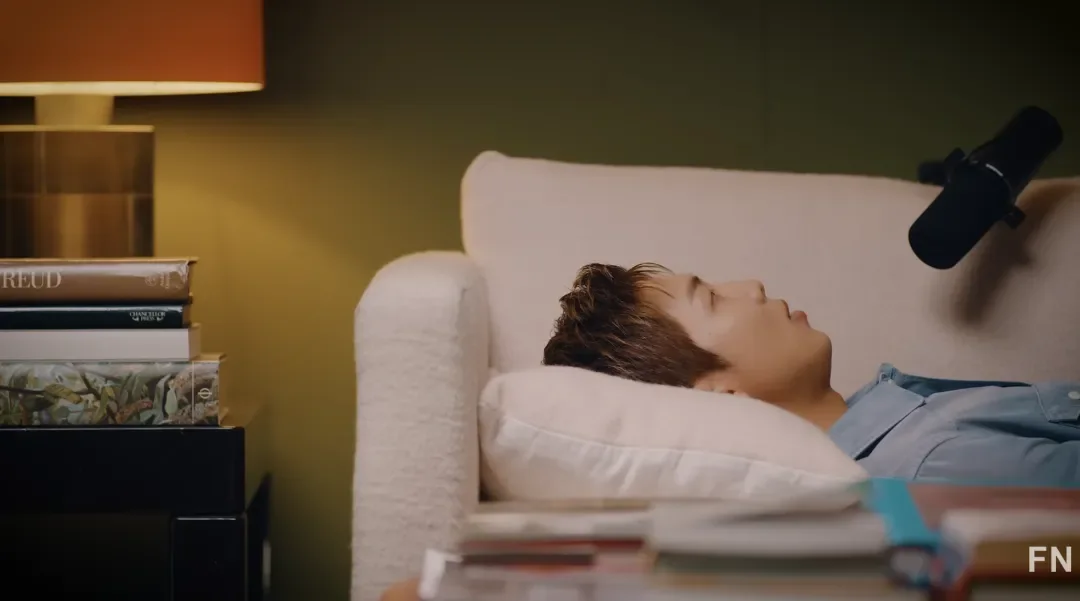
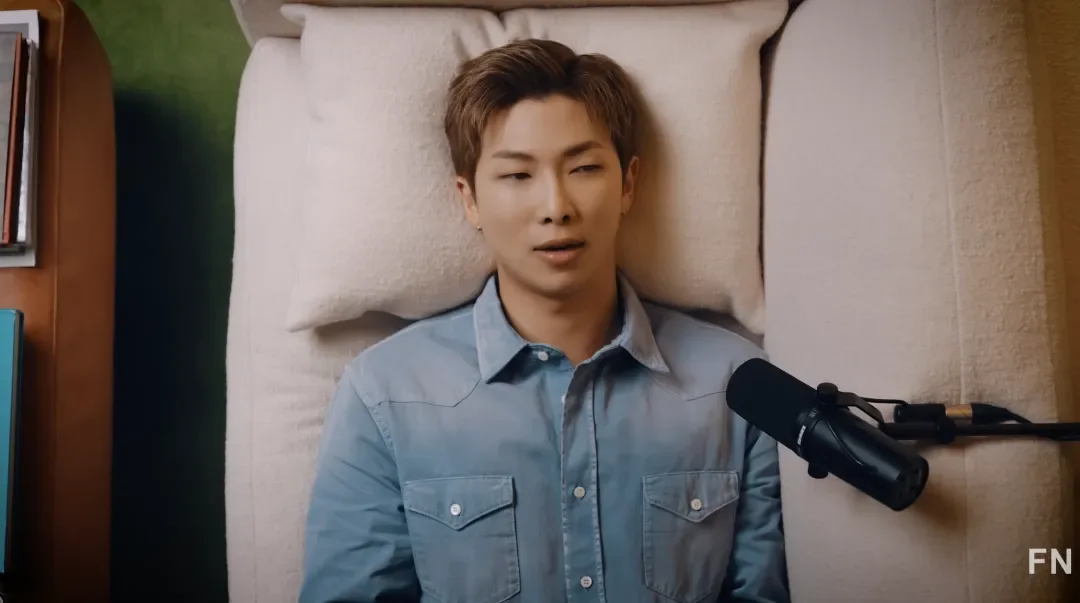
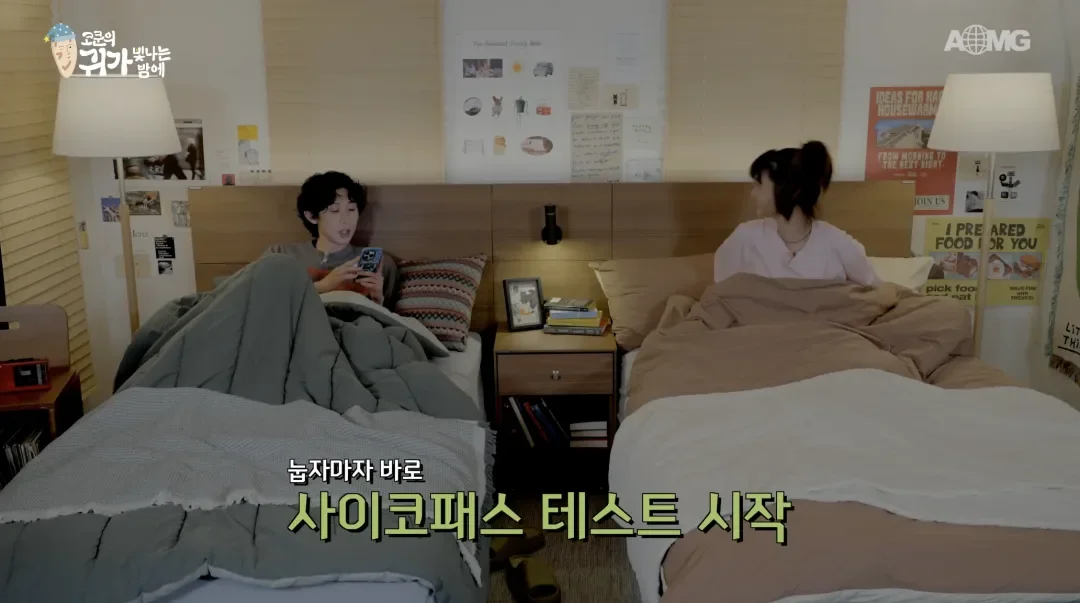
This reminds me of a show by Mr. Cho (Code Kunst)—“Starry Ear Night”—which uses a similar design. As someone who gets sleepy after lying down for too long, I can't help wondering: with a setup like this, will the guest fall asleep? If I remember correctly, someone on Mr. Cho's show once got hazy mid-conversation. Once the sleepiness arrived, their words stopped quite making sense hahahahaha!
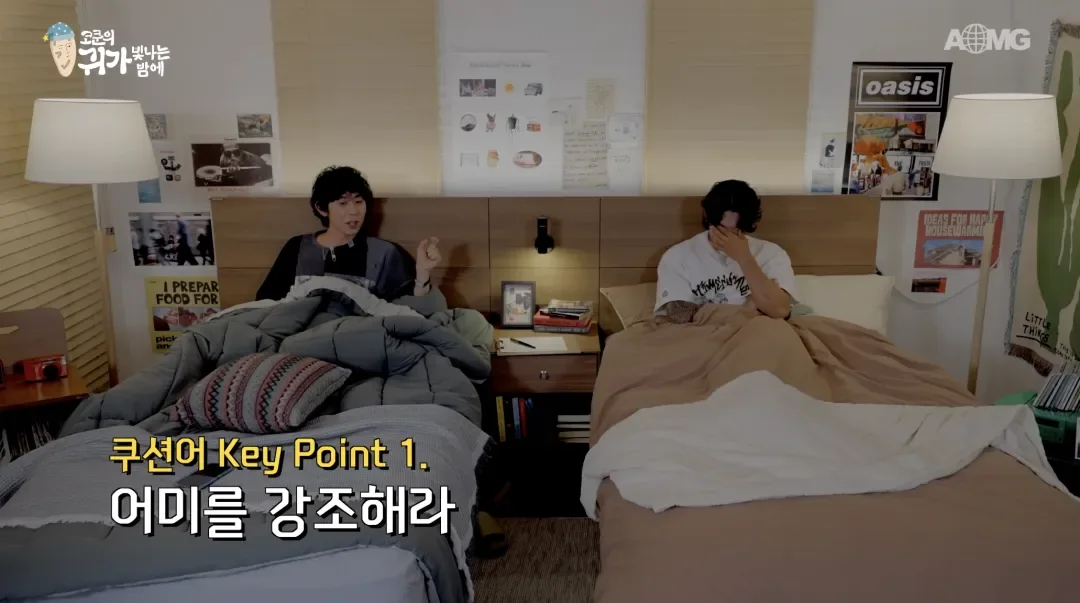
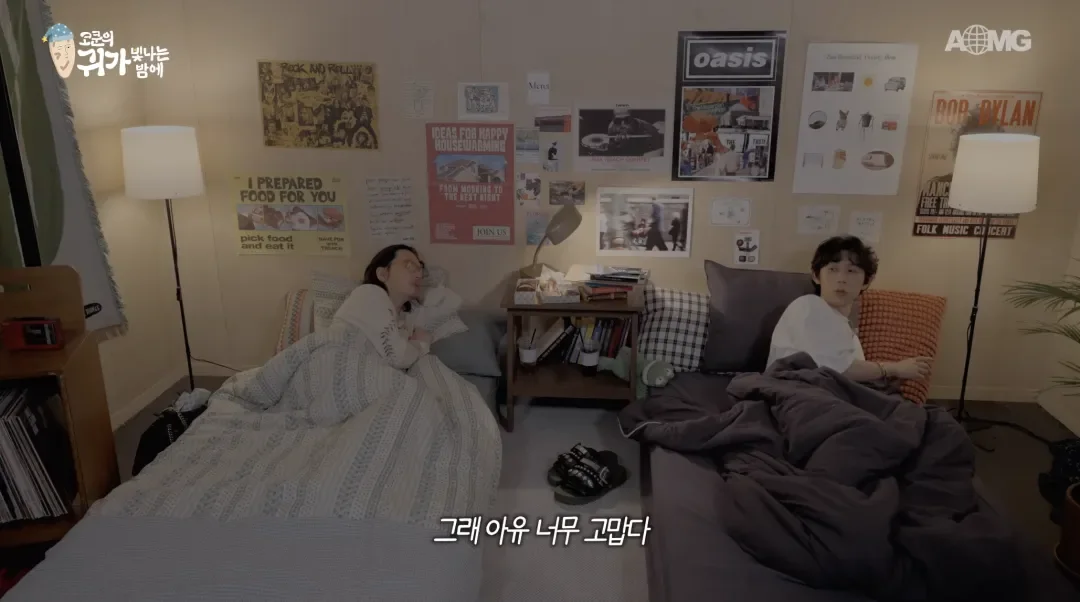
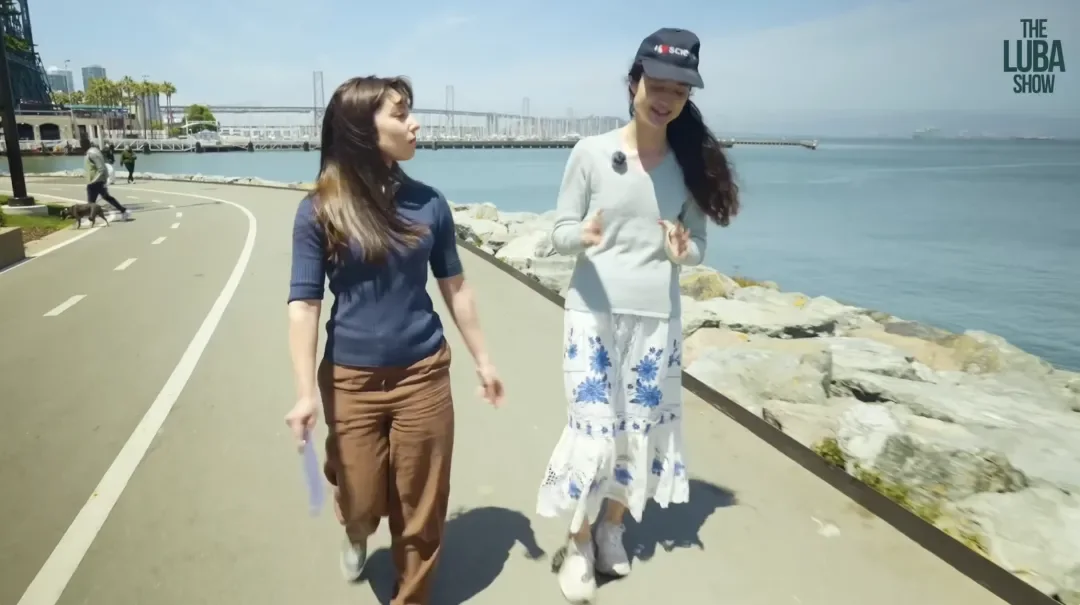
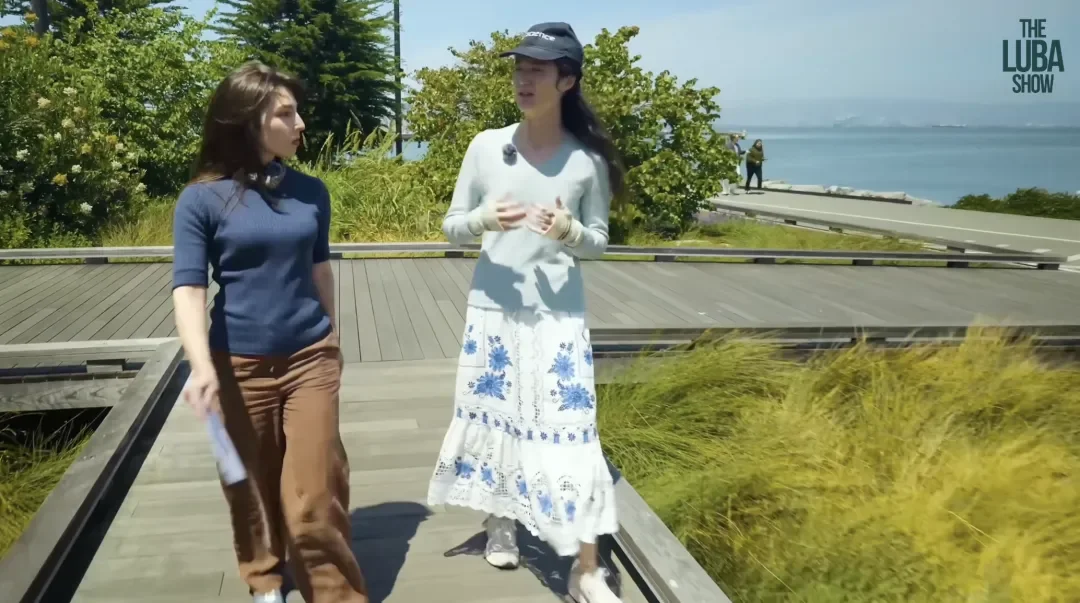
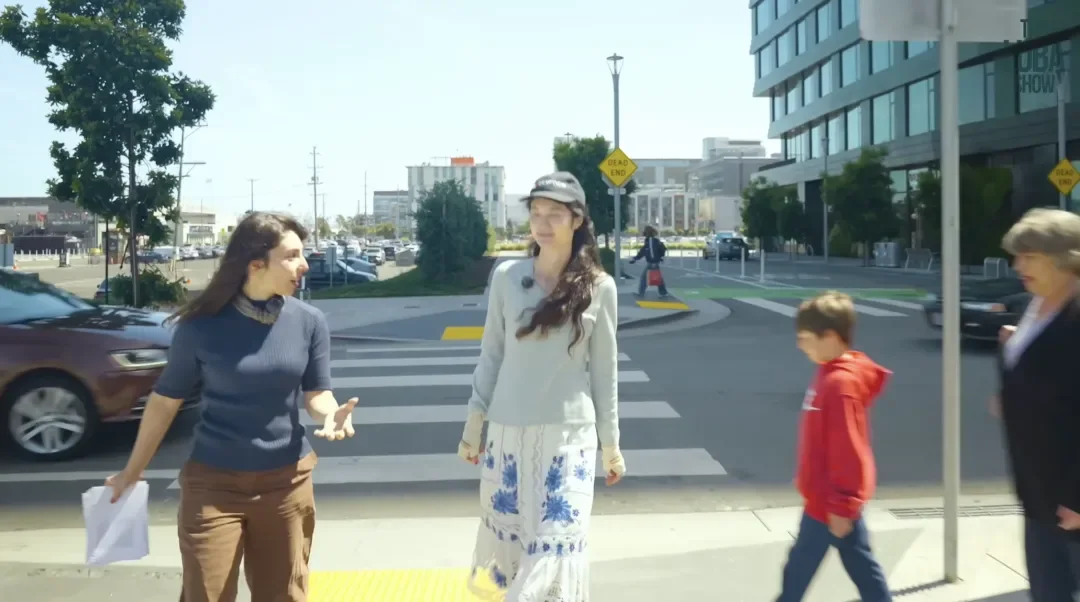
The third show is “The Luba Show.” In some episodes, the conversation happens while they walk. When I first found the show, I thought... what? To record a podcast, we have to walk and talk for an hour or two? Maybe the people talking don't notice, but the camera operator... are they tired? (Stop worrying about things that aren't your business hahahahahaha!) Honestly, it was a delightful surprise: turning a walk through the streets into podcast material. In real life, quite a few of our deeper conversations probably happen while walking through a park, or sitting on a bench by the street—which also makes for pretty good material.
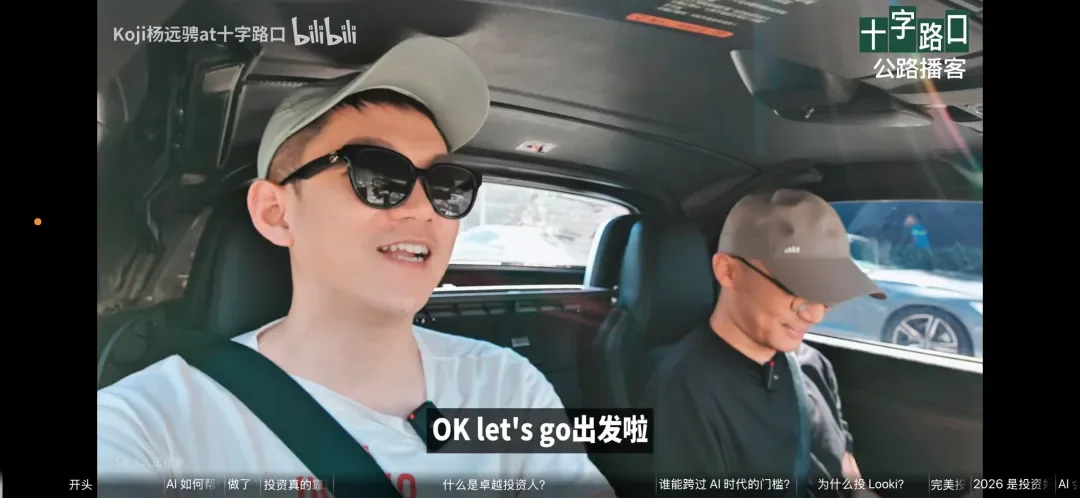
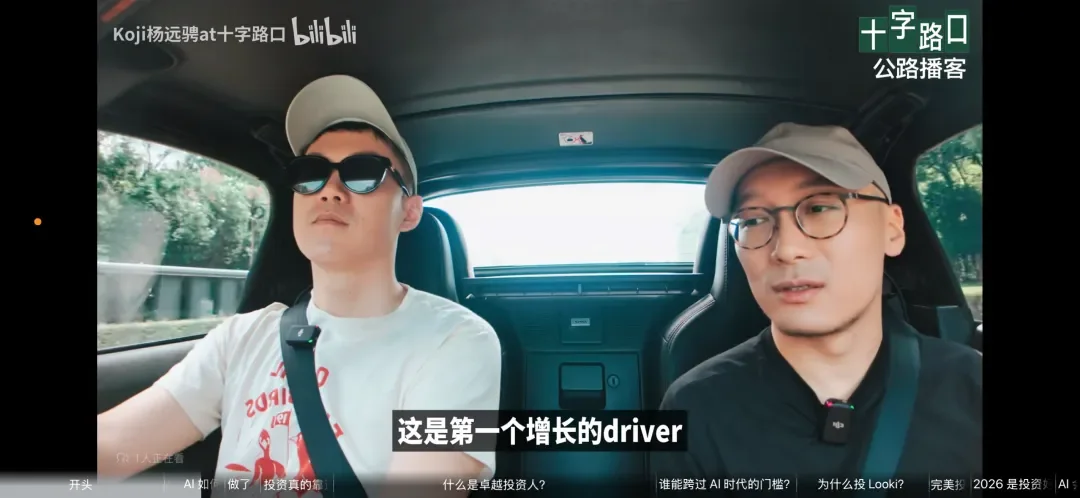
Something a little similar is “十字路口 Crossing”—some of the show's conversations happen in a car. When an entire episode takes place in the car, it gives me the distinct impression that “the guest was short on time, so they deliberately scheduled the interview during the commute.”
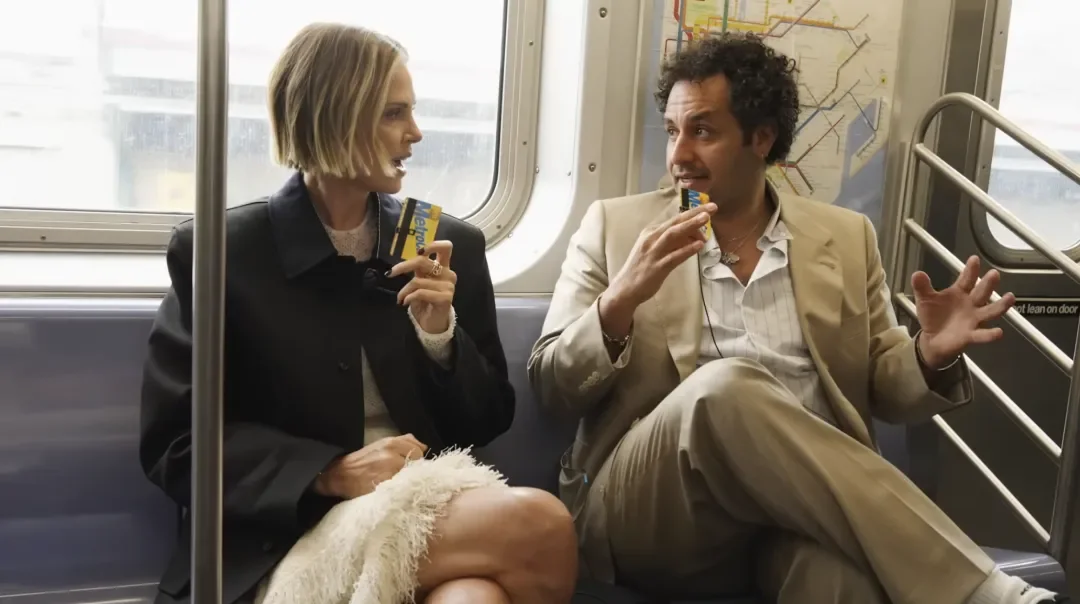
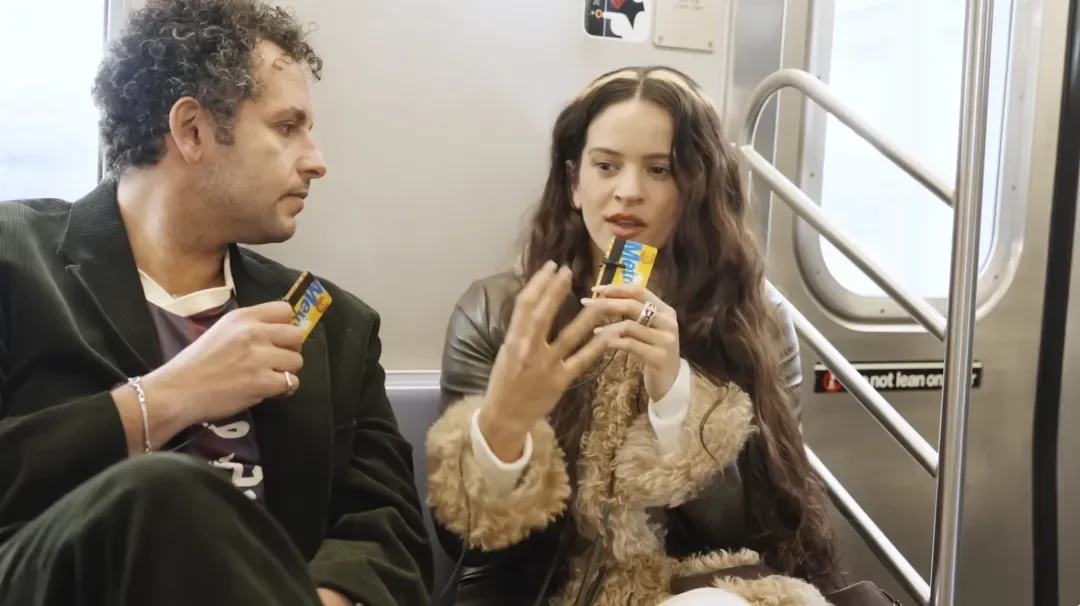
The fourth show is “SubwayTakes with Kareem Rahma.” What caught my eye was that the show takes place inside a subway car! And in New York—while breaking past the limits we usually place on recording spaces, it enters another kind of space at the same time. It's genuinely so interesting! I even found myself wondering what effect a similar scene would have in China. 🧐
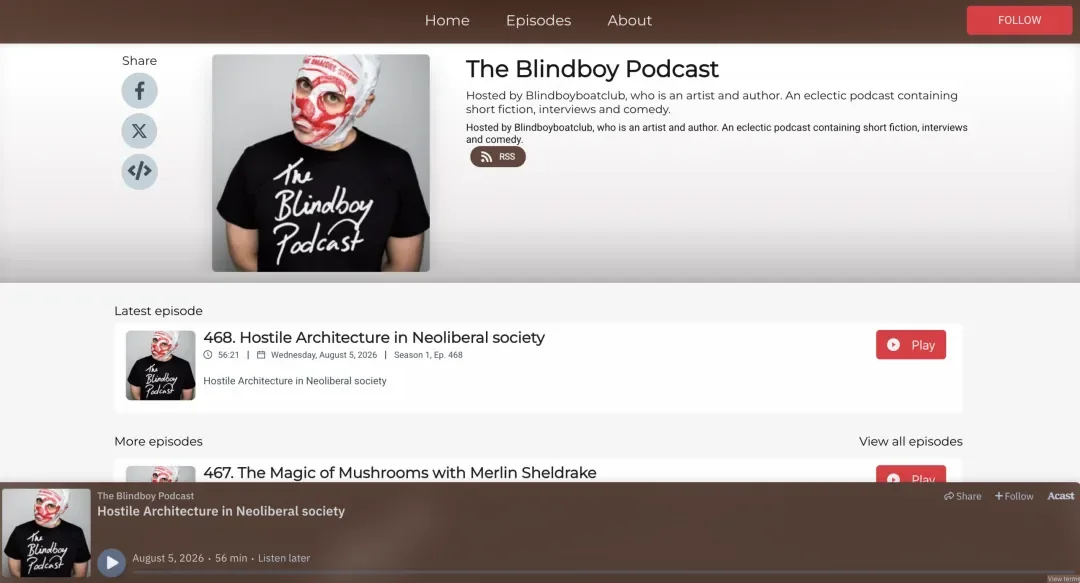
Last, I want to mention a person. His podcast, “The Blindboy Podcast,” is still audio-only to this day. Huh, then that's strange—if it's an audio show, what could be special about it? 🤔 Listeners form their image of the speakers entirely through how their voices feel! But! Who said he can only be a host and can't be a guest? Exactly! When he appears as a guest on a video podcast or in an interview, he always wears a plastic bag over his head and never shows his real face—which makes you intensely curious: huh? Why?
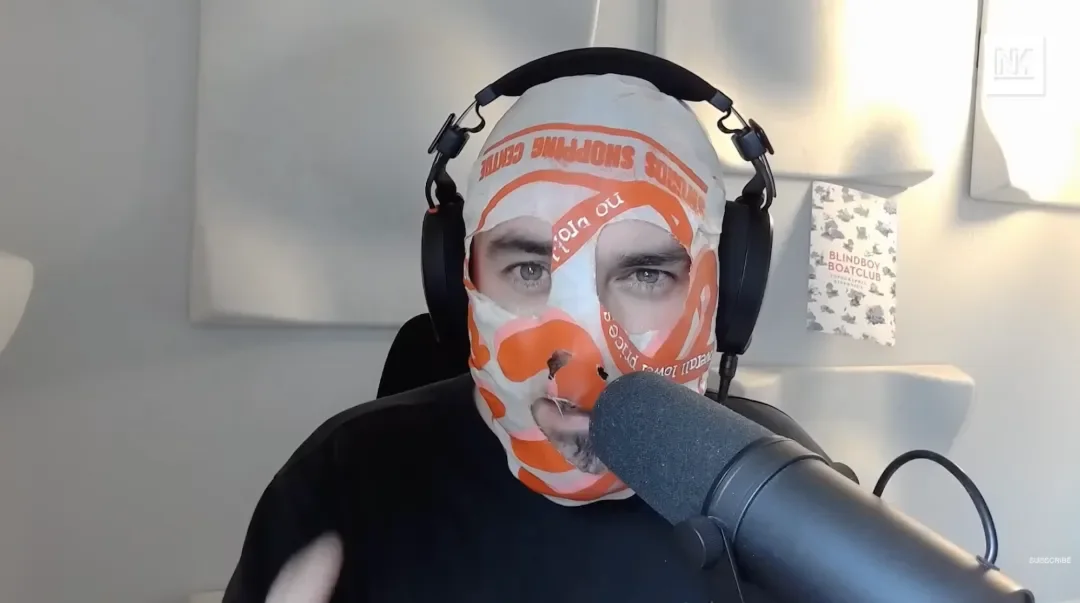
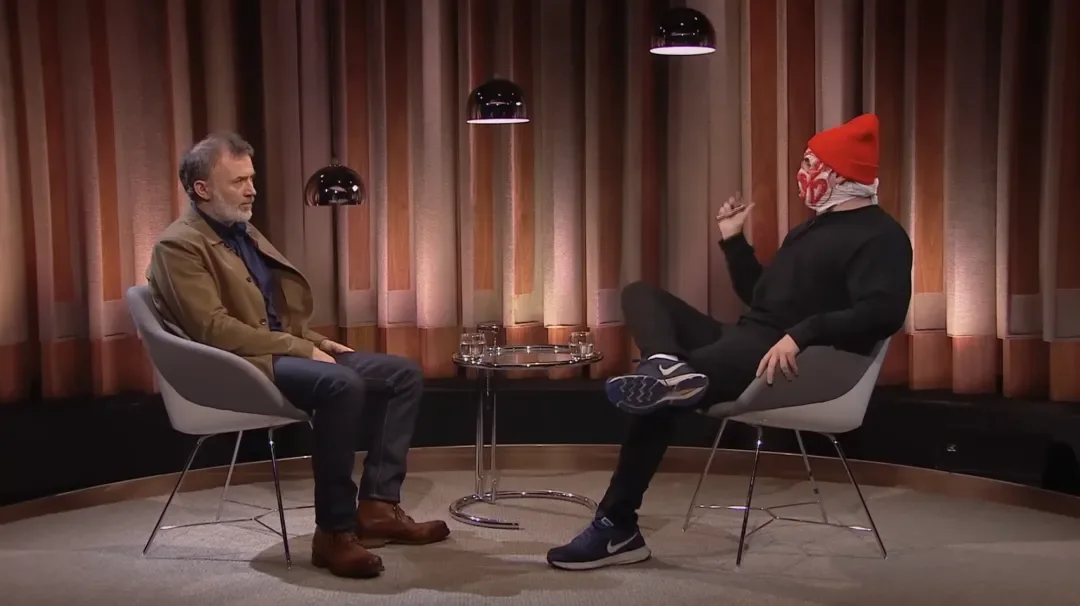
He says it's for privacy, but what about the deeper reason? I still don't know. For now, my understanding of this podcaster is limited to his public persona. Even as I'm typing these words, I still haven't listened all the way through a podcast involving him. I'll learn more later~
Looking back at the examples above, it isn't hard to notice that when choosing a recording space—or thinking about how to create a recording environment:
- it relates to the host's identity (or the tone of the show), as with “Tetragrammaton with Rick Rubin,” “Fashion Neurosis,” and “The Blindboy Podcast”;
- it also relates to the podcast's name, as with “十字路口 Crossing” (perhaps Koji didn't design it deliberately, but to me, a conversation while moving—the intersections or crossroads you keep passing—happens to echo the podcast's name. Perfect!), “SubwayTakes,” and “The Blindboy Podcast” (for now, let's count the persona itself as the space of this show);
What else does it relate to?
And does this kind of design count as an “entry point”? If not, what is it?
Anyway, back to the article I quoted at the beginning. It says: an “entry point” is related to spatial design, spatial design is related to taste, and taste is related to people—mm, incisive! Worth taking notes!